Stillness in Stone: Inside Kyoto’s Zen Temples & Sacred Rock Sanctuaries
Decoding the dry landscape gardens (karesansui), ancient cedar pavilions, and tea philosophies of Japan’s cultural capital.

Senior Culture & Culinary Editor
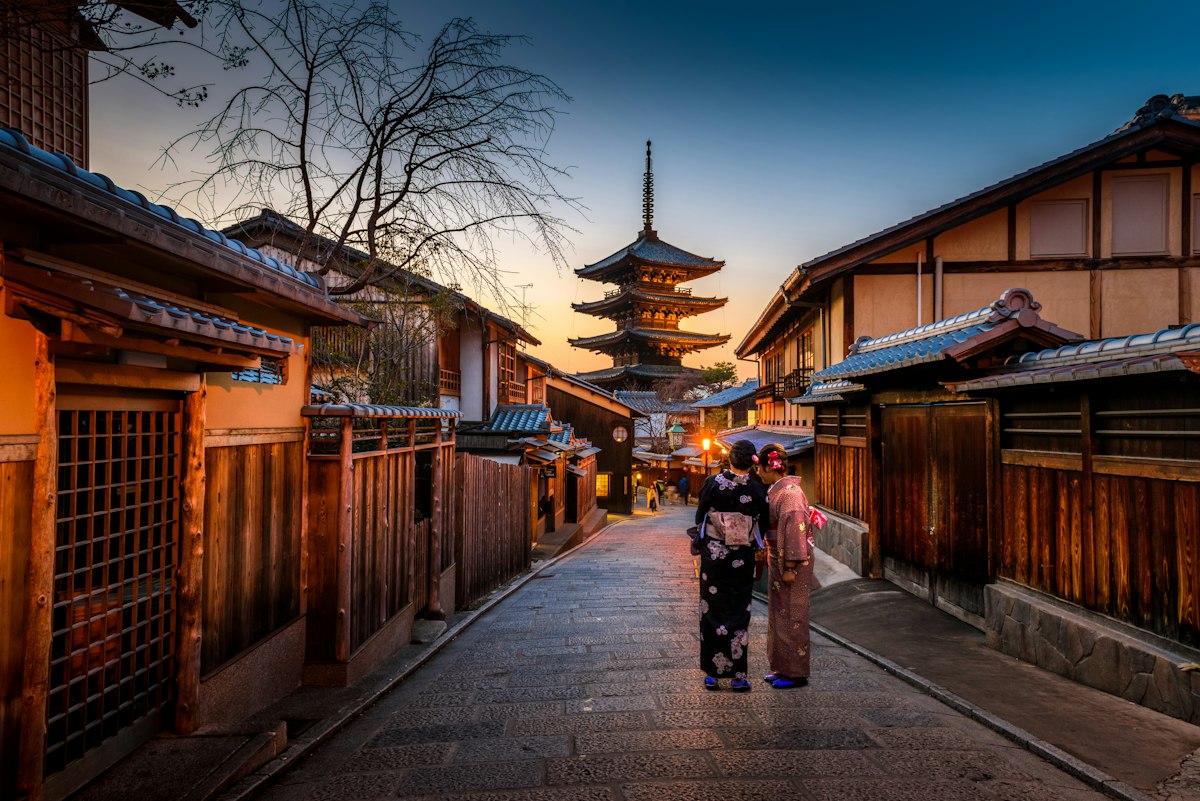
For over a thousand years, Kyoto stood as the imperial capital of Japan, home to the Emperor, the imperial court aristocracy, and the paramount headquarters of Zen Buddhist sects. While modern bullet trains arrive into a glass-and-steel station, step beyond the central district and Kyoto reveals more than 1,600 historic Buddhist temples, 400 Shinto shrines, and dozens of UNESCO World Heritage sanctuaries.
At the heart of Kyoto’s cultural legacy is the art of the karesansui (dry landscape Zen garden)—a sublime distillation of universe, ocean, and mountain constructed using nothing more than unhewn rocks and raked white granite gravel.
The Riddles of Ryoan-ji and Daitoku-ji
At Ryoan-ji, the world’s most celebrated Zen rock garden, fifteen natural stones are arranged on a bed of raked gravel within a low rectangular courtyard bordered by an oil-stained earthen wall. The stones are positioned so that from any vantage point on the viewing veranda, at least one stone remains hidden from human sight.
This intentional imperfection speaks directly to Zen philosophical teachings: human perception is inherently limited, and enlightenment requires realizing that the unseen is just as vital as what is visible before our eyes.
“A Zen garden is not intended to be entered or walked upon; it is a canvas designed for seated contemplation, transforming physical stillness into inner expansion.”
Essential Cultural Code:
- Removal of Footwear: Always wear clean socks; outdoor shoes are removed at the entry threshold (genkan) of all historic temple halls.
- Sound Discipline: Temples are active places of monastic study and meditation; silence mobile devices and maintain soft speaking voices.
- Morning Arrival: The golden hour between 7:30 and 8:30 AM offers solitary temple viewing before tour buses arrive.
Staff AuthorTanisha is a cultural journalist and culinary explorer with over eight years documenting traditional culinary techniques, UNESCO heritage sanctuaries, and regional artisan communities across Southern Europe, Southeast Asia, and Latin America.
Lisbon on Foot: Miradouros, Mosaic Pavements & Fado in the City of Seven Hills
Next Article →Conquering the W-Trek: An Expedition Guide Across Torres del Paine
Related Field Dispatches
View Category →