The Traveling Eye: A Field-Tested Mirrorless Camera System for Expedition Photographers
Balancing weight, weather-sealing, dynamic range, and lens versatility for documentary and landscape storytelling.

Expeditions & Adventure Editor
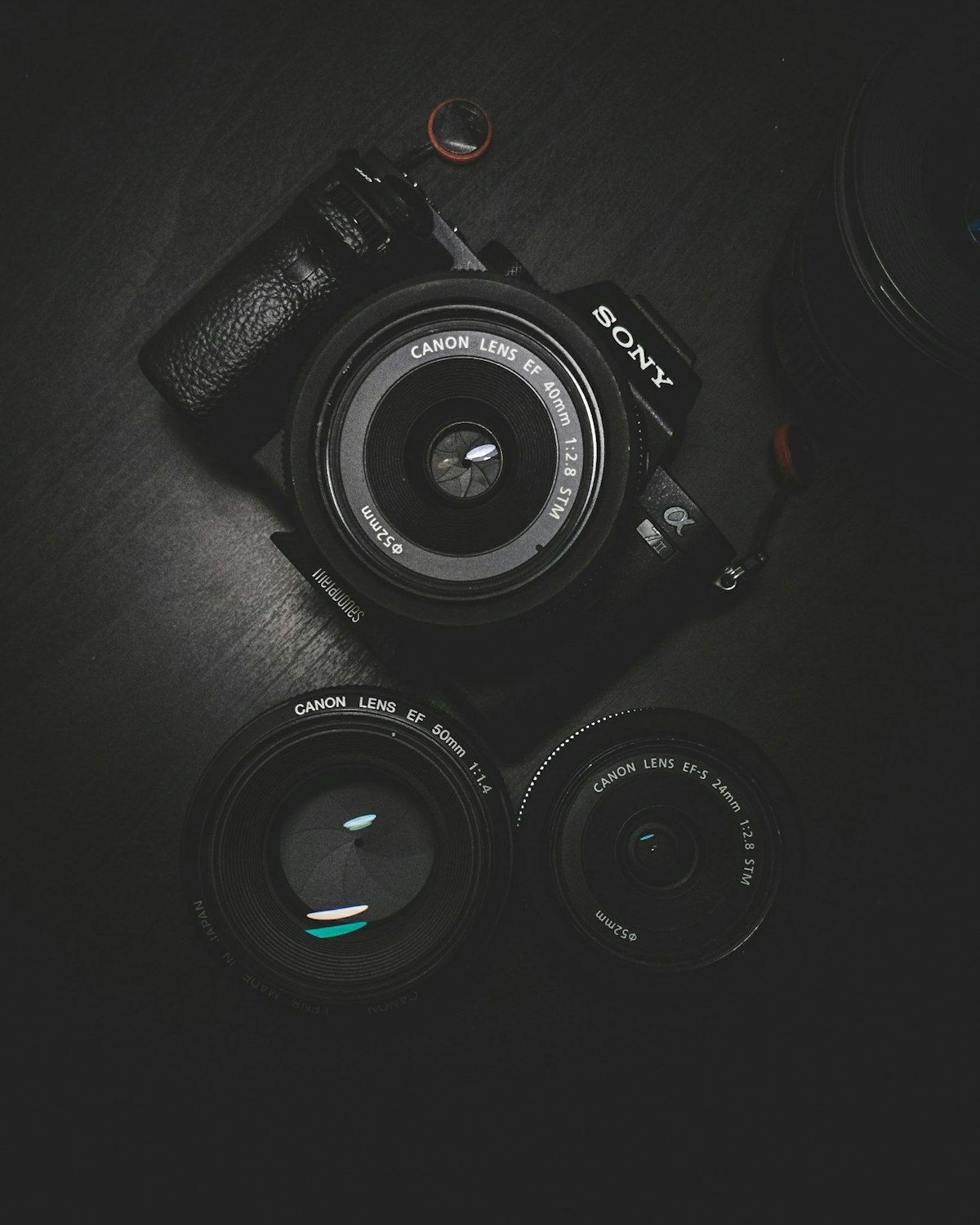
For travel journalists and landscape photographers, choosing equipment involves an endless compromise between image fidelity and physical carry weight. Heavy pro DSLR rigs with f/2.8 zoom lenses deliver superb image quality but become exhausting burdens on 20-mile mountain treks.
Modern full-frame and APS-C mirrorless systems have revolutionized this balance, delivering extraordinary 45-megapixel sensors, in-body image stabilization, and rugged weather-sealing inside compact magnesium-alloy bodies.
The Two-Lens Philosophy for Global Documentary
Rather than carrying four bulky zoom lenses, experienced documentary photographers favor a disciplined two-lens strategy:
- The Fast 35mm f/1.8 Prime: Matches the natural human field of view, ideal for environmental portraits, twilight street markets, and interior temple photography.
- The 24-105mm f/4 Ultra-Sharp Zoom: An all-weather workhorse capable of capturing sweeping mountain vistas at 24mm or isolating distant wildlife at 105mm.
Staff AuthorShivam is an alpine trekker, expedition photographer, and wilderness specialist who has traversed glacial passes in Patagonia, high routes across the Karakoram, and desert traverses in the Arabian Peninsula. He writes extensively on backcountry logistics and sustainable mountaineering.
The Eternal River: Dawn Boat Journeys Along the Sacred Ghats of Varanasi
Next Article →Across Fire and Ice: The Laugavegur Trail Across Iceland’s Volcanic Heart
Related Field Dispatches
View Category →